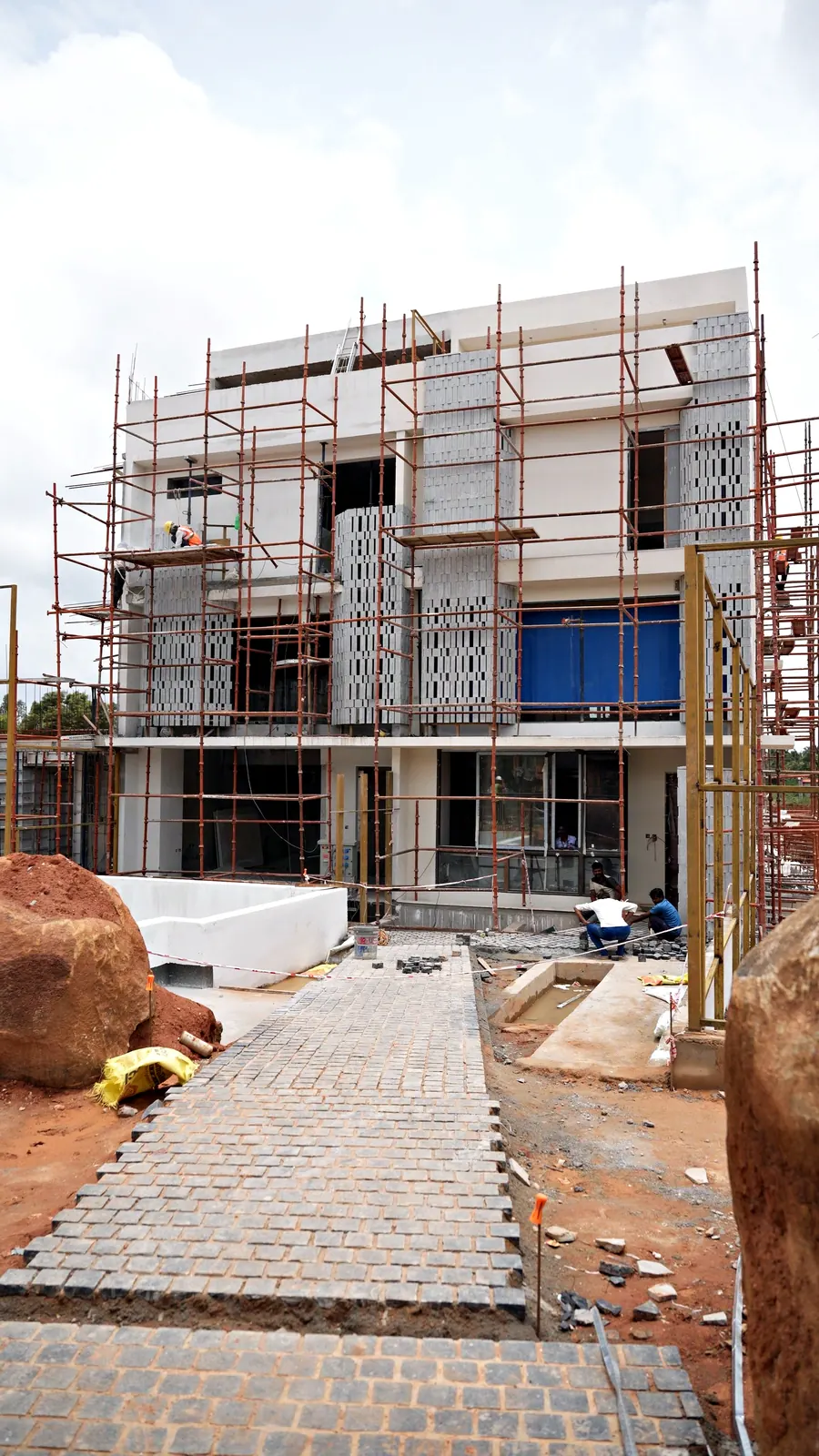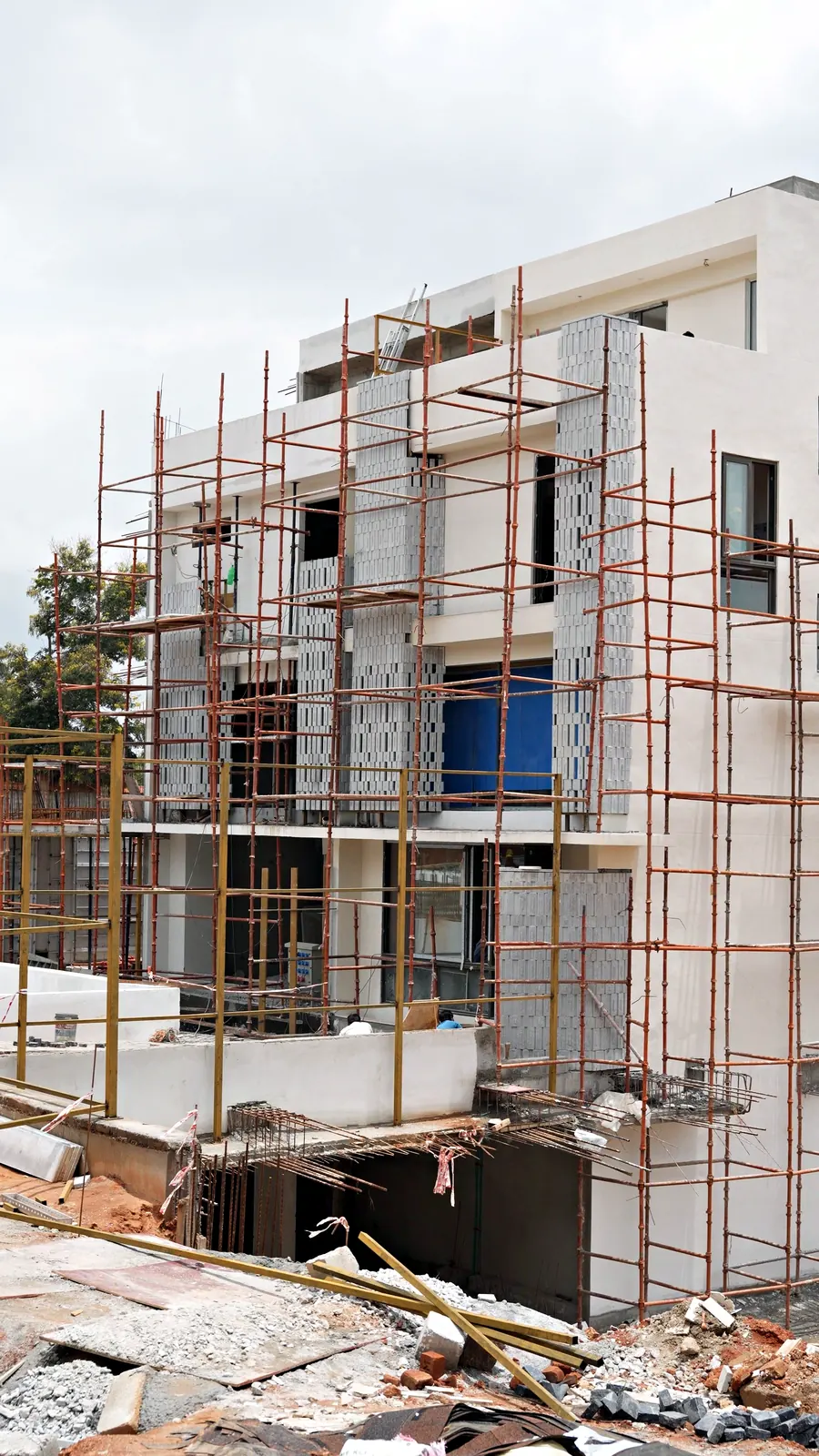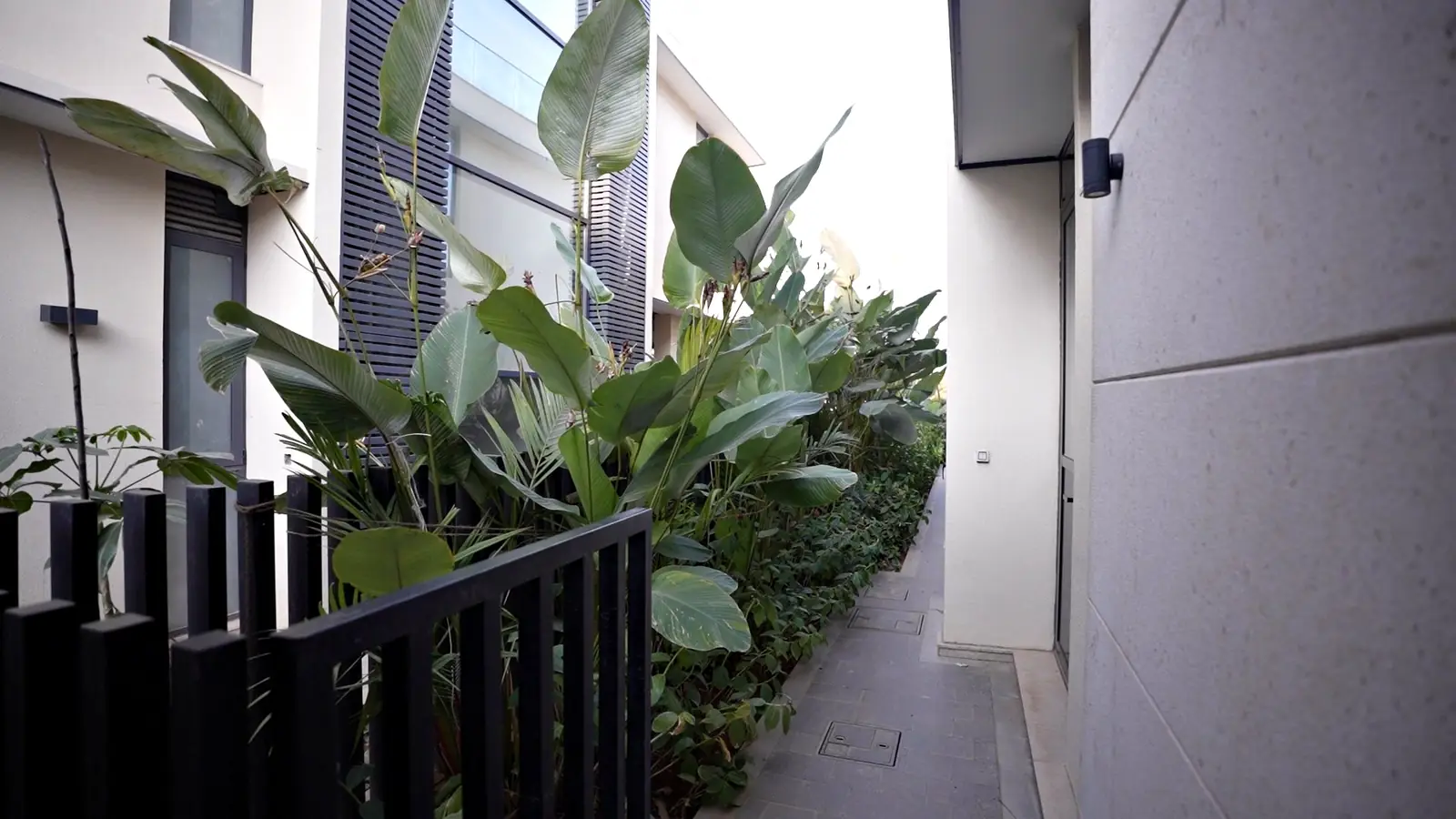

Start with exclusive and common areas.
Ask which land, terrace, garden, parking and access rights belong to the property. Match the sales description against the agreement and sanctioned plan. Have the advocate explain shared responsibilities.
“Villament” and “row villa” can describe different arrangements. Do not assume the same ownership or maintenance structure across projects. The documents must explain the home you are buying.
Test privacy and circulation.
Walk the approach, stairs and connection between living spaces. Check how guests and service staff enter. Inspect the outdoor area you expect to use.
Ask about maintenance access, shared walls and common equipment. Test accessibility with the intended residents. A format that works for one household may create unnecessary steps for another.
Compare the running arrangement.
Request current recurring charges and the scope they cover. Ask how repairs are approved and costs allocated. For resale, inspect condition and outstanding obligations before comparing the asking price.
Pause if your brief requires fully independent land and services. Pause if stairs or shared access conflict with household needs. Compare the actual ownership arrangement, not the name alone.
What still needs checking.
- Exact ownership boundaries and shared rights.
- Current offers and maintenance structure.
- Accessibility and property-specific condition.
This page lists what to check. It does not certify any property.
Before you decide.
What should I check before buying a villament?
Clarify exclusive and shared rights in the agreement and sanctioned plan. Inspect access, stairs, parking and the responsibilities for common repairs.
Are a garden or terrace always exclusive?
Do not assume exclusivity from a brochure. Ask which rights the property documents grant and what restrictions or maintenance obligations apply.