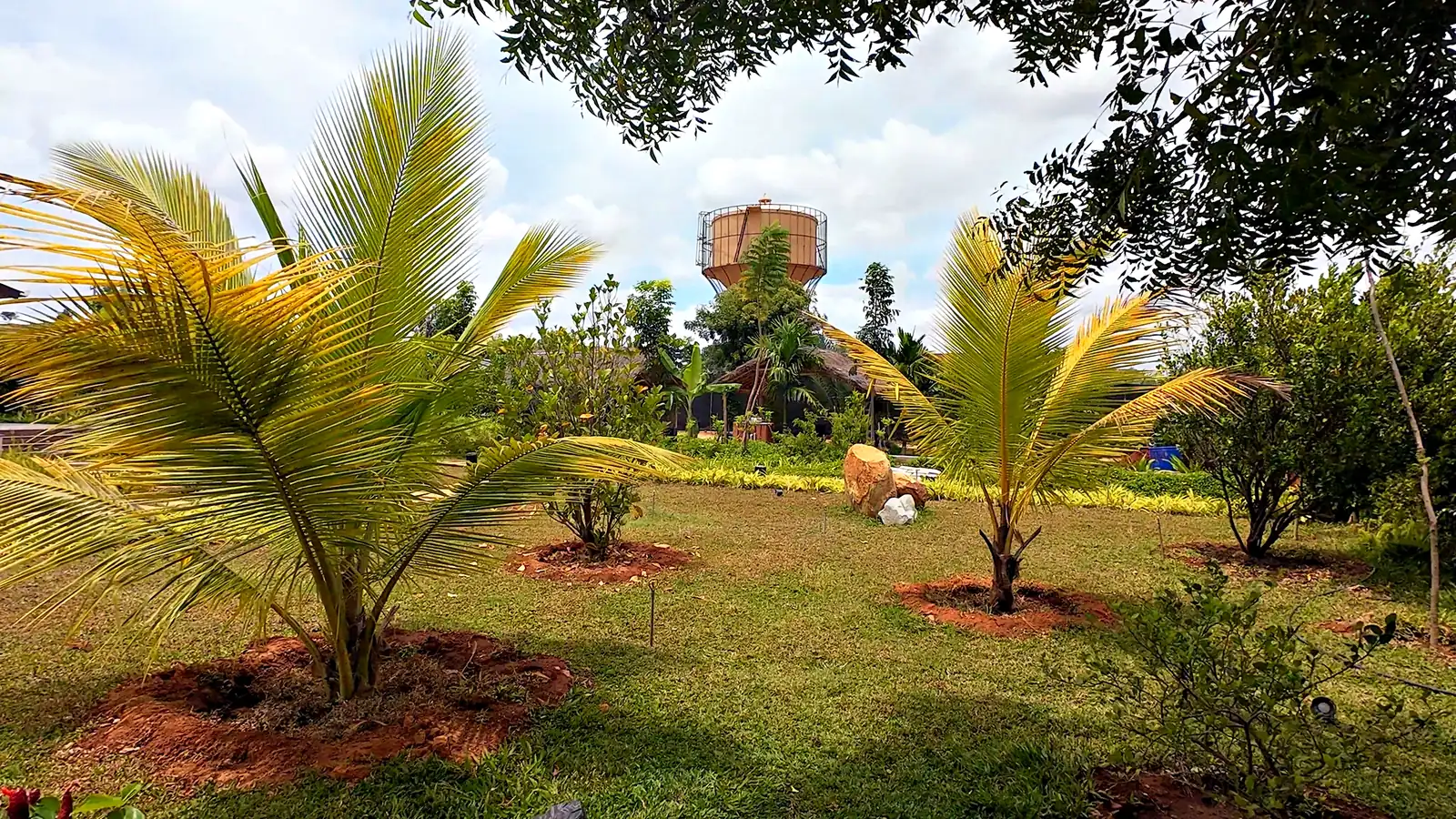

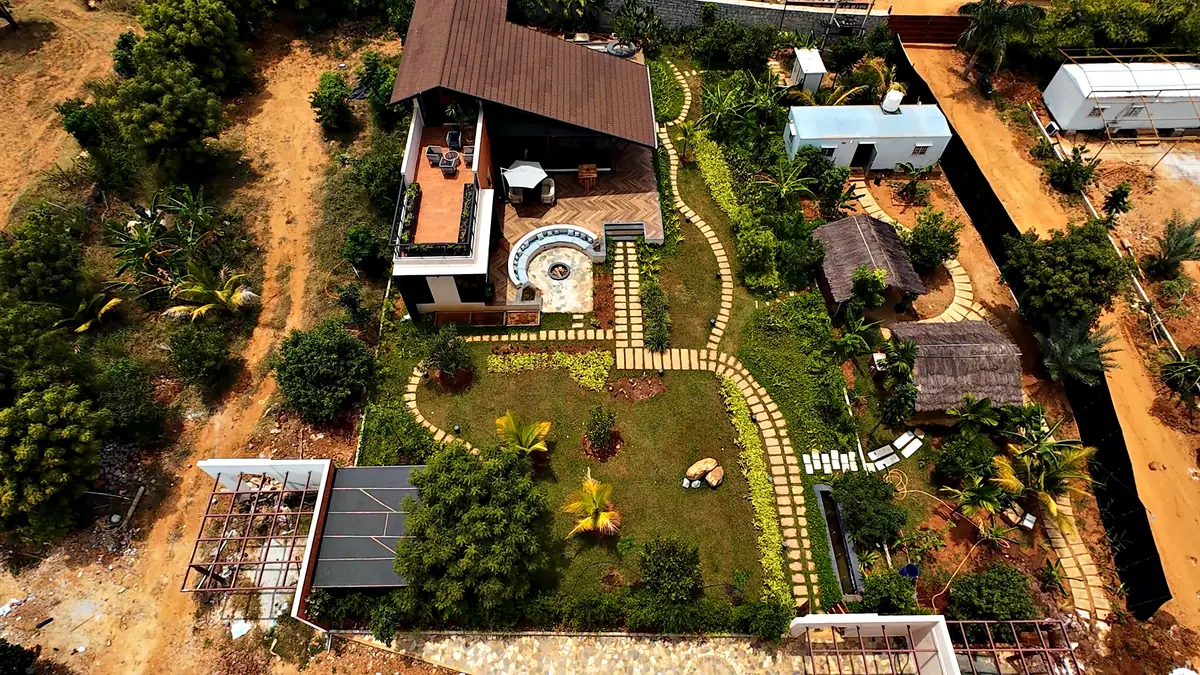
Let the design brief meet the plot.
Bring a preliminary household brief to an architect before committing. Ask about permitted building area, setbacks, access and the intended outdoor spaces. Test privacy with the neighbouring parcels in view.
A larger plot does not settle drainage, retaining works or service requirements. Ask which investigations the design team needs. Keep those costs separate from the land offer.
Read the estate rules early.
Request the sanctioned plan and applicable architectural guidelines. Clarify approvals, construction access and community obligations. Ask whether your preferred design and build schedule can be accommodated.
For hill-facing land, request parcel-specific restrictions and neighbouring land evidence. This desk does not promise permanent views. Private-estate identity and sale permissions require clearance before a public offer appears.
Who should consider another format?
Pause if you want a finished home without managing design and construction. Pause if the budget covers land but leaves the house unresolved. Ask for a complete build and care plan.
Compare an existing villa against the proposed estate project. The better answer depends on your occupation date, preferences and willingness to supervise the work.
What still needs checking.
- Property-specific building rules and usable area.
- Site investigations and construction estimates.
- Current sale permission, offers and view-related evidence.
This page lists what to check. It does not certify any property.
Before you decide.
Does a larger plot allow any house design?
The design still needs to fit applicable permissions, site conditions and estate rules. Ask an architect to test the brief before purchase.
What extra work can an estate plot require?
Request site-specific advice on access, drainage, services and potential retaining works. Include those findings in the construction and maintenance budget.