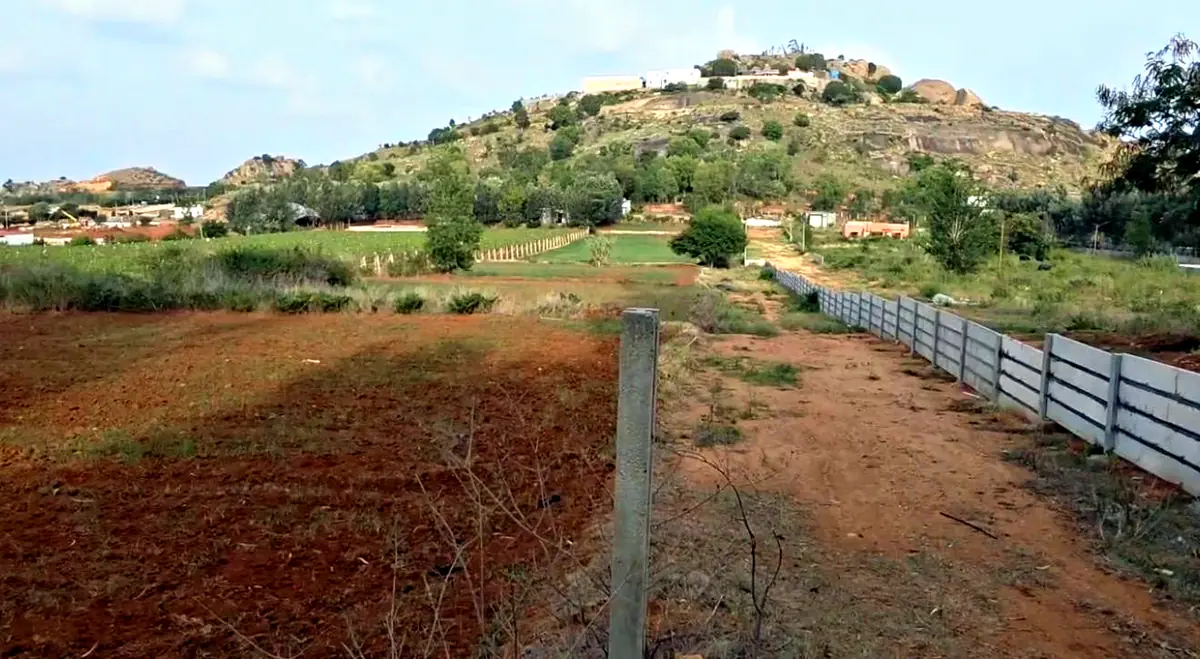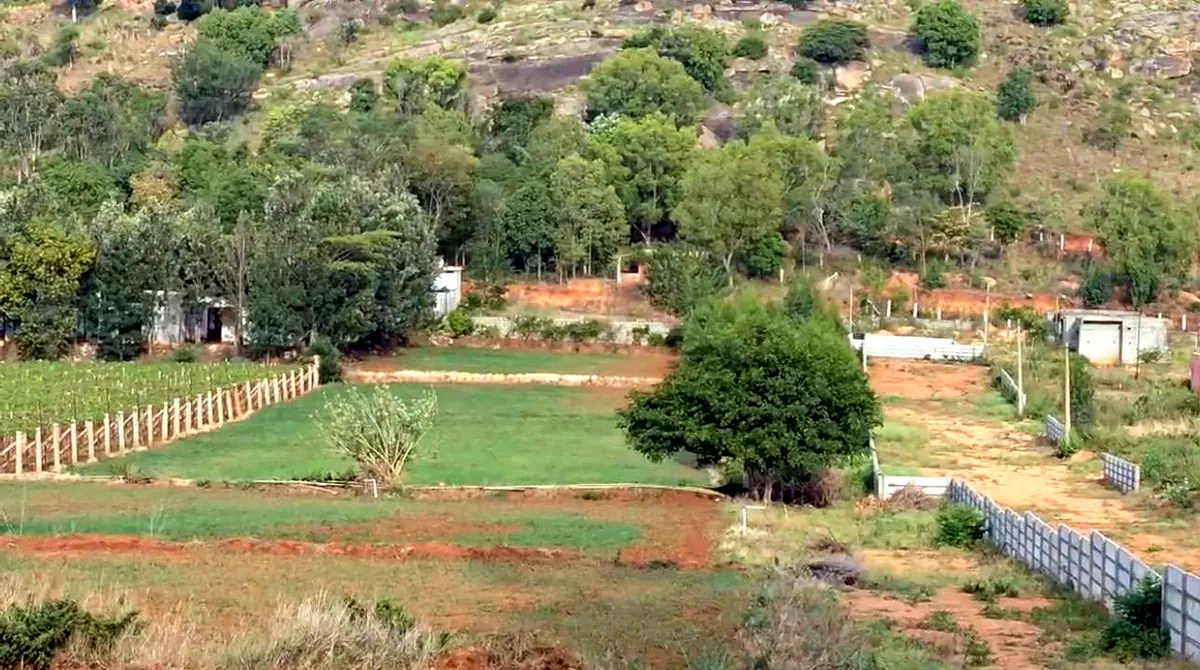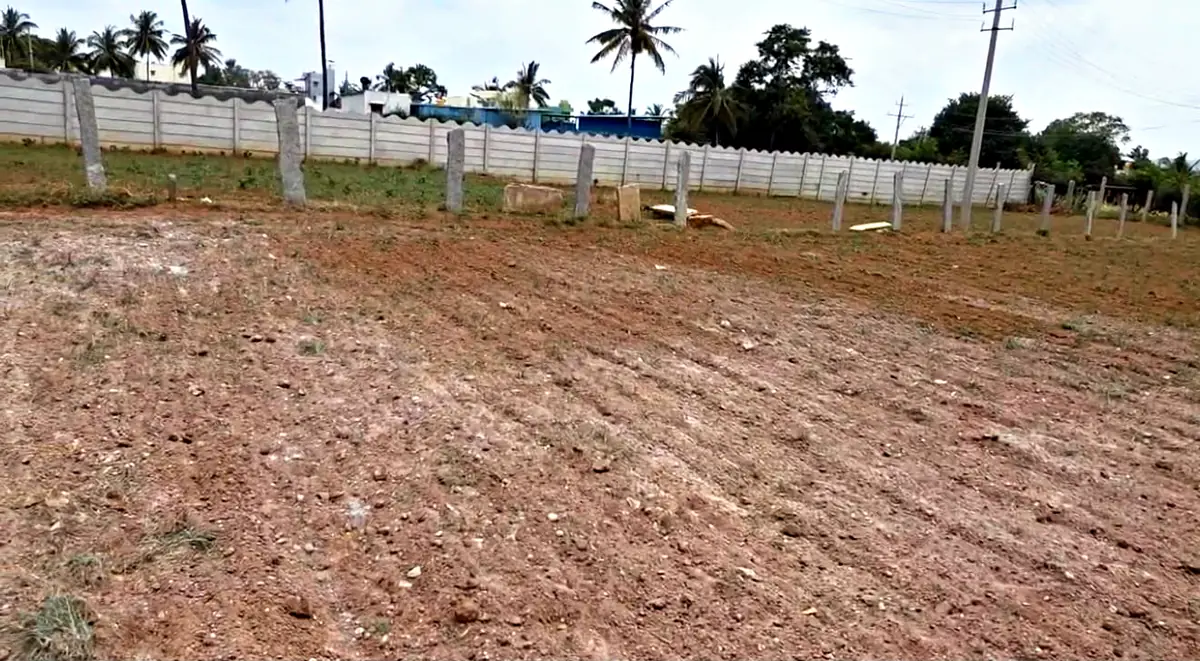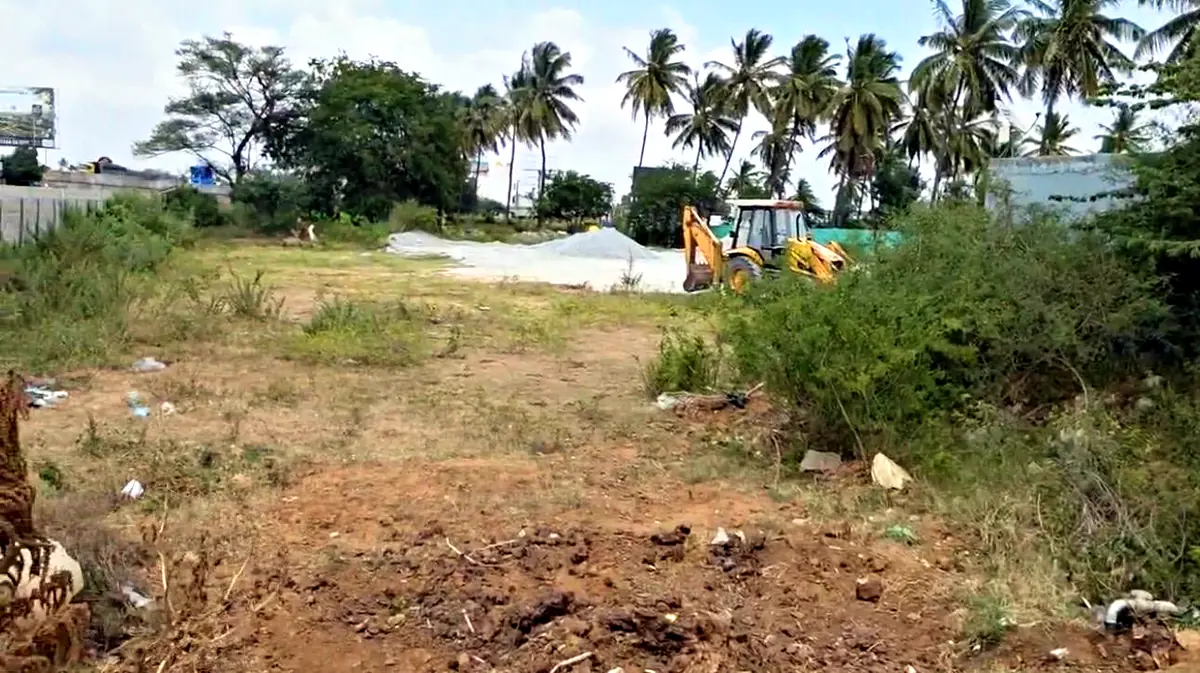

Translate the marketing name.
Ask for the recorded land classification and exact property identity. Explain what you intend to build, operate or grow. Have the advocate assess that intention against the documents.
Do not infer building rights from the word “farmhouse”. Do not assume a management package changes the land’s classification. The purchase and the proposed activity need a clear legal review.
Who looks after it between visits?
Request a written scope for maintenance, water, access and emergency repairs. Identify the operator and the costs that remain yours. Ask how service quality is recorded and how the arrangement can end.
If rental use matters, seek advice on permissions and request documented operating evidence. A view and a weekend visit do not establish bookings or income.
Check eligibility before the shortlist.
Tell the advocate your residency and citizenship circumstances before considering agricultural land. This desk does not offer agricultural-land purchases to NRI or OCI buyers. It does not suggest ownership workarounds.
Pause if you want a passive purchase without reading the operating agreement. A suitable property must match your intended use, eligibility and capacity for ongoing oversight.
What still needs checking.
- Land classification and permitted use.
- Eligibility and regulatory review.
- Operator terms, costs and any rental permissions.
This page lists what to check. It does not certify any property.
Before you decide.
Is a farmhouse plot the same as a residential plot?
Do not assume that from the name. Request the recorded classification and permitted-use review for the exact parcel.
Who should review a farm-estate offer?
Ask an advocate to review eligibility, land records and contracts. Add the relevant technical professionals for building, water or operating plans.